
OUR LATEST POSTS
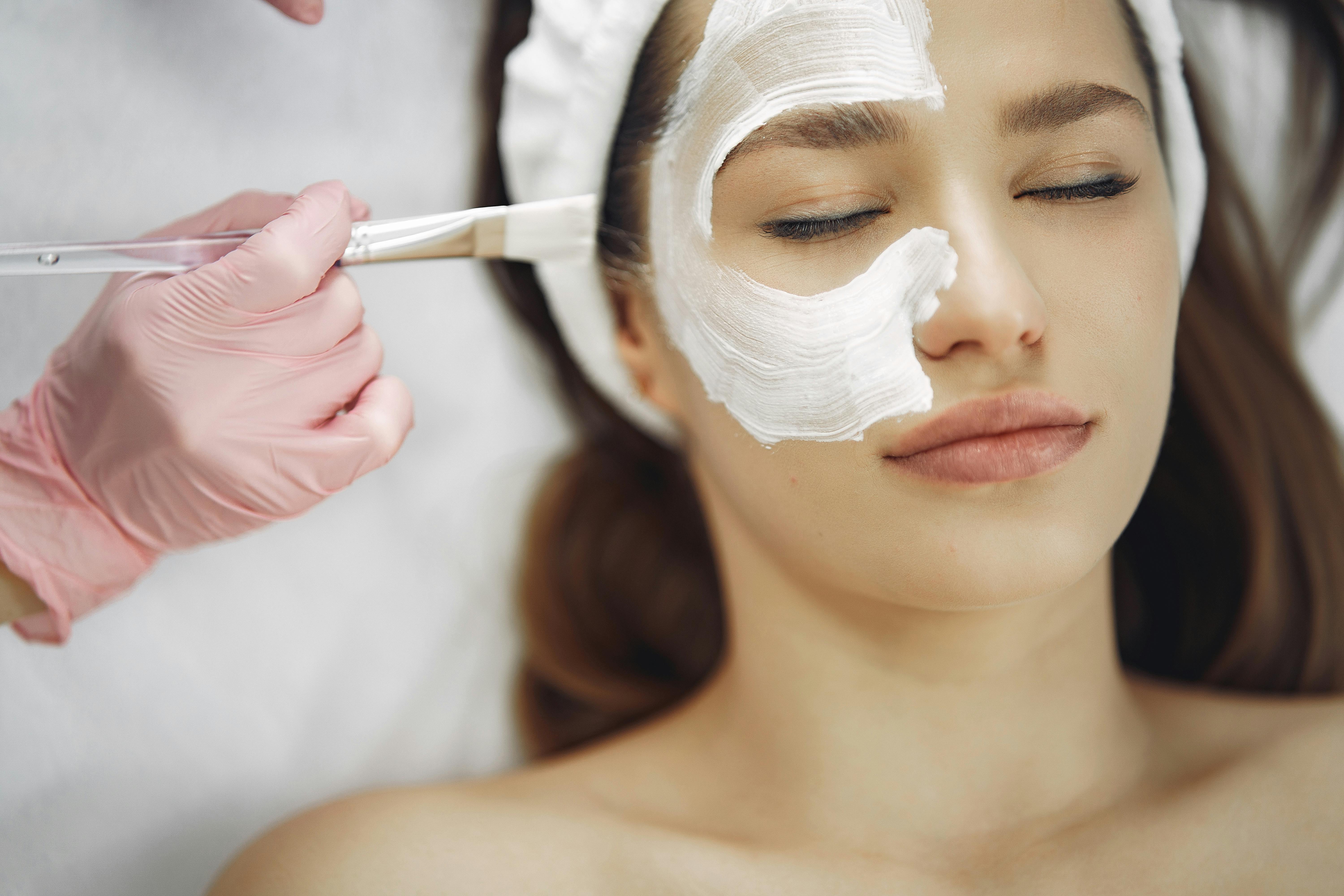
Healthy Skin from the Inside Out: How Nutrition, Hydration, and Lifestyle Shape Your Glow
Skin acts as a visible indicator of what happens inside the body. When digestion, circulation, and hormone balance are steady, skin often reflects that stability through improved texture and tone. On the other hand, processed foods, dehydration, irregular sleep, and high stress levels can show up as dryness, breakouts, or dullness.
Healthy skin is not only shaped by external products. Internal conditions influence how skin cells regenerate, how well moisture is retained, and how effectively the body manages inflammation.
Nutrition and Its Role in Skin Clarity
Food choices play a major role in skin condition. Nutrient-dense meals provide the building blocks required for repair and renewal.
Foods that support skin appearance:
Fruits rich in vitamin C such as oranges, papaya, and berries help support collagen formation
Leafy greens provide antioxidants that assist in reducing oxidative stress
Healthy fats from sources like avocado, nuts, and seeds help maintain skin softness
Protein from fish, legumes, and eggs supports cell repair
Highly processed foods with excess sugar and refined oils may contribute to inflammation, which can affect skin clarity and texture.
Balanced meals eaten consistently often reflect in a more even and refreshed complexion over time.
Hydration and Skin Function
Water intake directly influences how skin looks and feels. When hydration levels are low, skin can appear tight, dry, or tired.
Proper hydration supports:
Elasticity and smoothness
Natural detox processes
Moisture balance within skin layers
Plain water remains essential, but fluids from herbal teas and water-rich foods such as cucumber and watermelon also contribute to daily hydration needs. Consistent intake throughout the day supports steady skin function rather than occasional large amounts.
Sleep and Skin Regeneration
During rest, the body focuses on repair processes. Skin cells regenerate, and collagen production becomes more active during deep sleep cycles.
Irregular sleep patterns can lead to:
Uneven skin tone
Increased puffiness
Slower recovery from irritation
A steady sleep schedule helps maintain balanced skin renewal cycles, supporting a fresher appearance over time.
Stress and Skin Imbalance
High stress levels affect hormone activity, which can influence oil production and inflammation. This may lead to breakouts or sensitivity in some individuals.
Helpful habits for stress balance:
Deep breathing exercises
Short walks in natural environments
Reduced screen exposure before sleep
Regular movement throughout the day
When stress levels remain more stable, skin often reflects calmer internal conditions.
Movement and Circulation
Physical activity supports blood flow, which delivers oxygen and nutrients to skin cells. Improved circulation can contribute to a brighter and more even complexion.
Simple activities such as walking, stretching, or light exercise can make a noticeable difference in overall skin vitality when done consistently.
External Care and Ingredient Awareness
While internal habits play a strong role, external skincare choices also matter. Products with harsh chemicals can sometimes disrupt the skin barrier and affect sensitivity levels.
For those looking for cleaner skincare alternatives, consider exploring options with minimal, plant-based formulations. A helpful place to explore chemical-free skincare products isThe Yellow Bird, which focuses on simple ingredient-based formulations designed to support skin without unnecessary additives.
Choosing gentler products can complement internal habits and help maintain a more balanced skin environment.
Skin responds best to consistency rather than quick changes. Regular habits such as balanced meals, steady hydration, quality rest, and mindful stress management work together over time.
Small daily choices often create more visible changes than occasional intensive routines.
One or more of the links above are affiliate links, meaning, at no additional cost to you, we will earn a slight commission if you click through and make a purchase. Each of these products is chosen by a trusted member of our team.